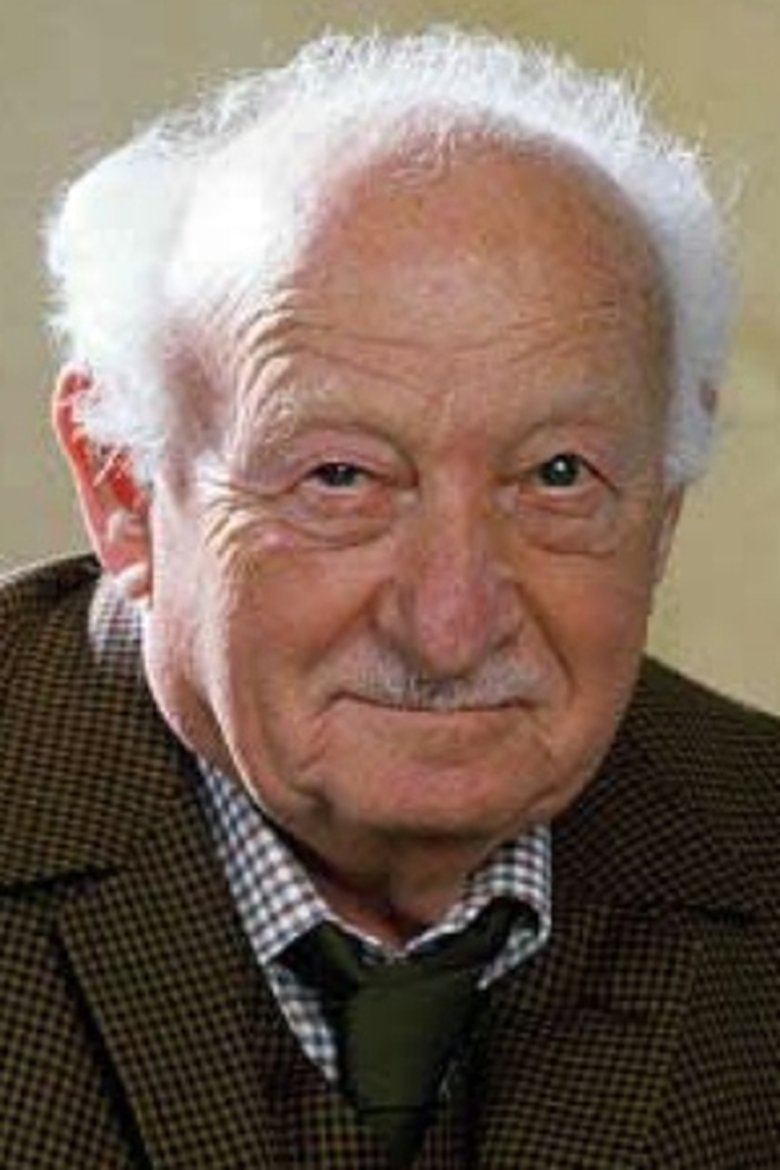
Alexandre Trauner
Known For
Art
Birthday
August 3, 1906
Day of Death
December 5, 1993 (87 years old)
Place of Birth
Budapest, Austria-Hungary [now Hungary]
Alexandre Trauner
Biography
Alexandre Trauner (born Sándor Trau; 3 August 1906 in Budapest, Hungary – 5 December 1993 in Omonville-la-Petite, France) was a Hungarian film production designer. After studying painting at Hungarian Royal Drawing School, he left the country in 1929, fleeing from the antisemitic government of Admiral Horthy. In Paris, he became the assistant of set designer Lazare Meerson, at the studios in Épinay-sur-Seine working on such films as À nous la liberté (1932) and La Kermesse héroïque (1935). In 1937, he became a chief set designer. Trauner worked with director Marcel Carné for some years on such films as Port of Shadows (Quai des brumes, 1938), Le Jour se lève (1939), and Children of Paradise (Les Enfants du paradis, 1945). Trauner worked in hiding on Children of Paradise, which was filmed at the Victorine Studios in Nice during 1943 and 1944 during the Nazi's Occupation of France. He worked with Billy Wilder on eight films between 1958 and 1978, including the sets for The Apartment (1960), on which he made use of false perspective, a characteristic of his work. For his work on this film, he won an Academy Award. He also worked on John Huston's The Man Who Would Be King (1975), Joseph Losey's Don Giovanni (1979), and Luc Besson's Subway (1985). In 1980, he was a member of the jury at the 30th Berlin International Film Festival. Source: Article "Alexandre Trauner" from Wikipedia in English, licensed under CC-BY-SA.
Known For
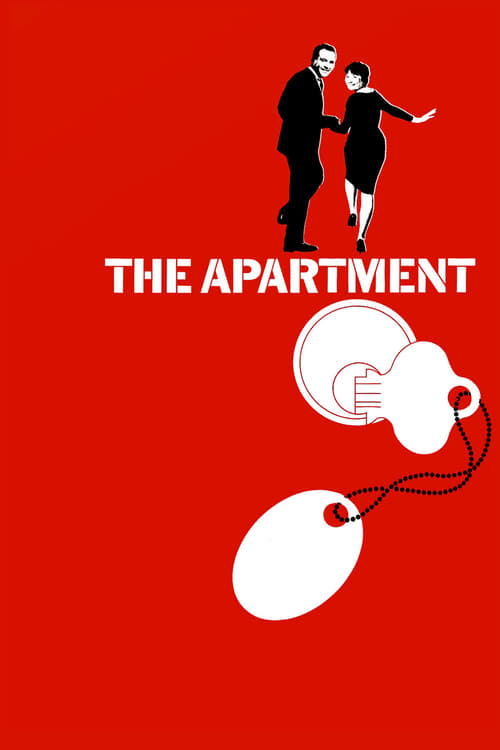
The Apartment
1960
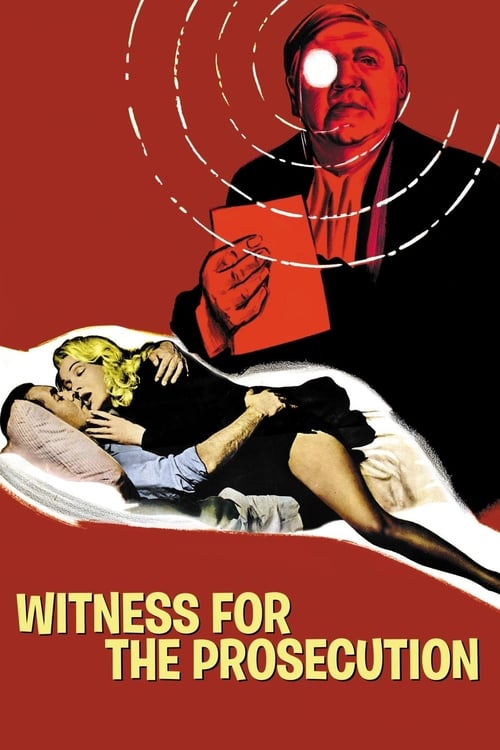
Witness for the Prosecution
1957
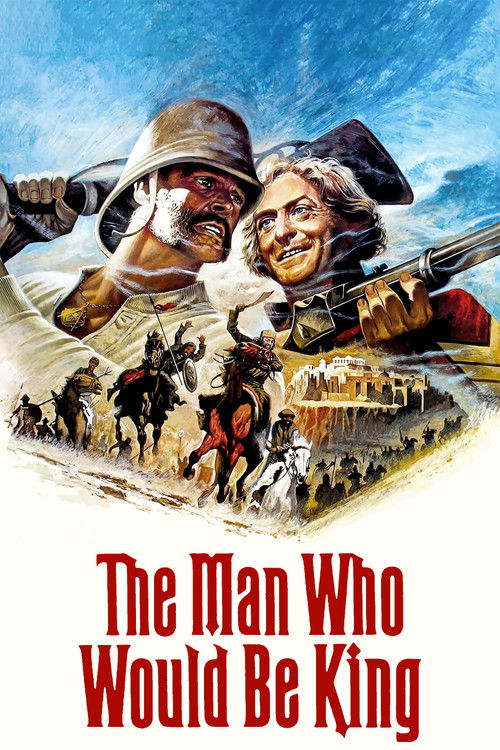
The Man Who Would Be King
1975
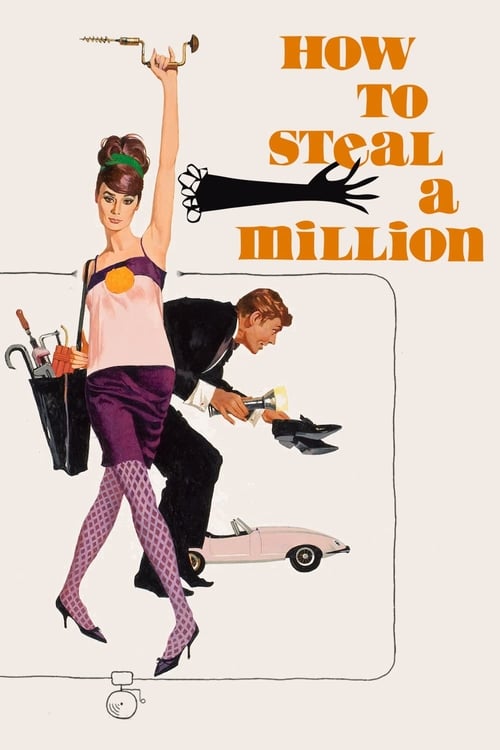
How to Steal a Million
1966
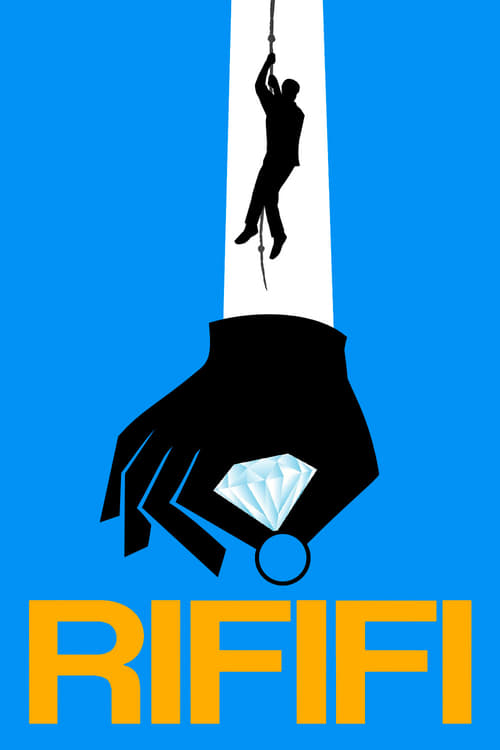
Rififi
1955
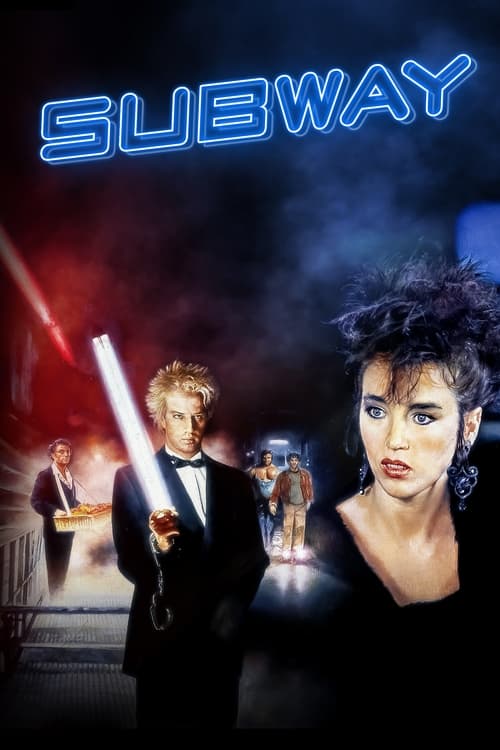
Subway
1985

Irma la Douce
1963
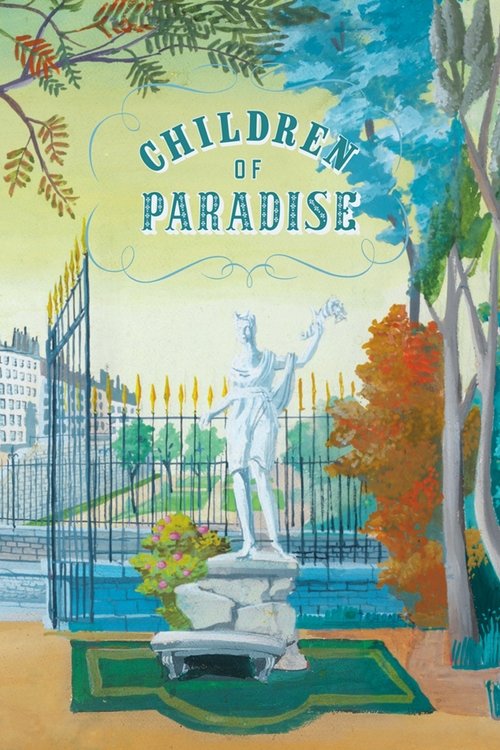
Children of Paradise
1945
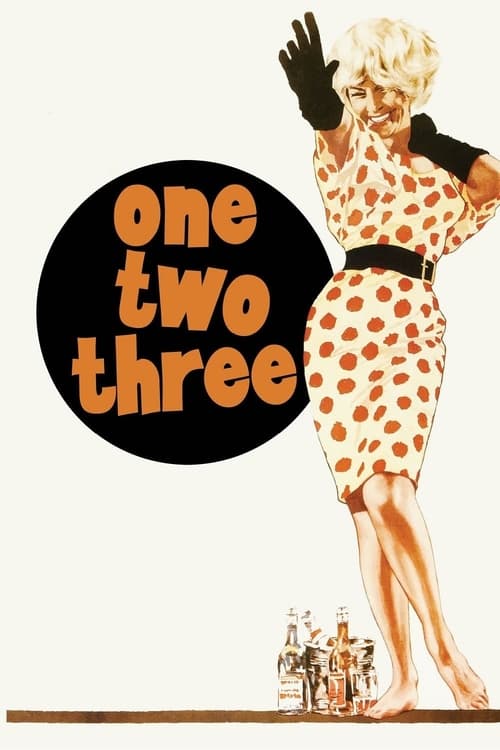
One, Two, Three
1961
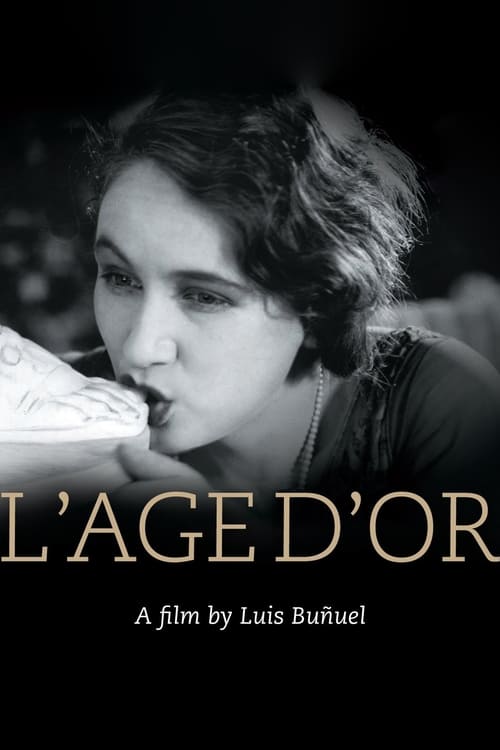
L'Âge d'or
1930
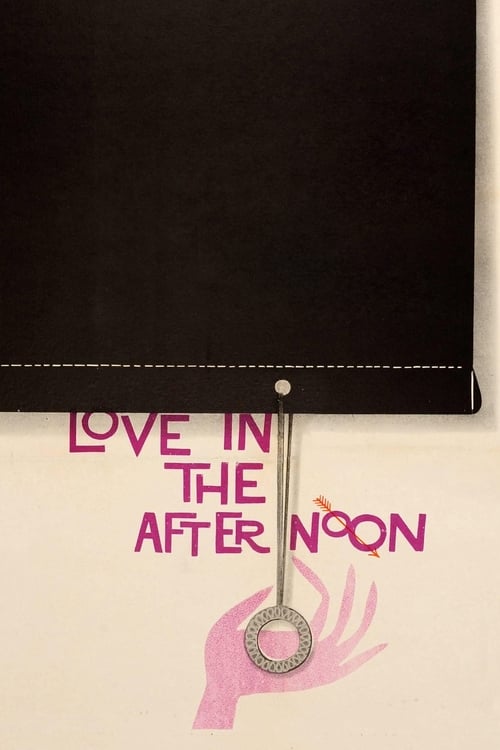
Love in the Afternoon
1957
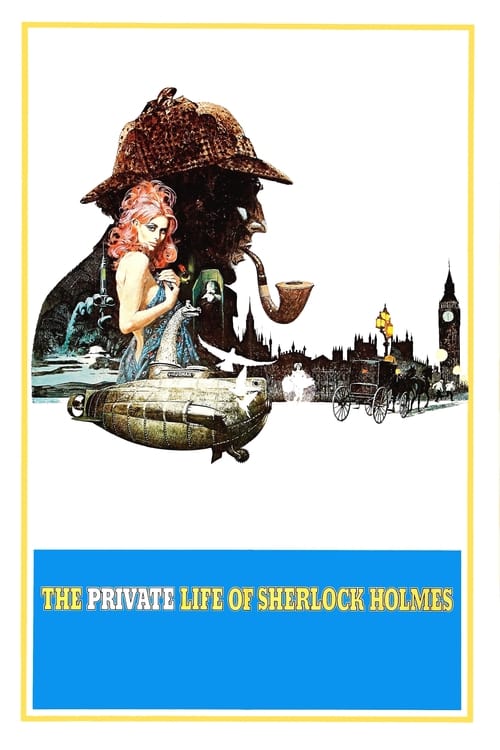
The Private Life of Sherlock Holmes
1970
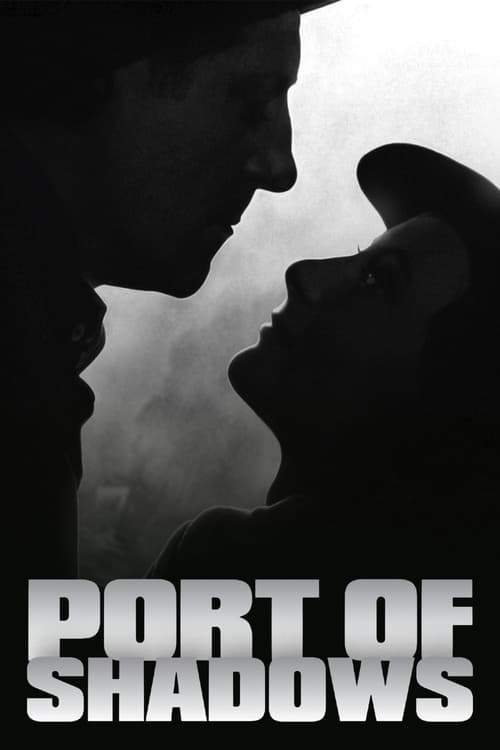
Port of Shadows
1938
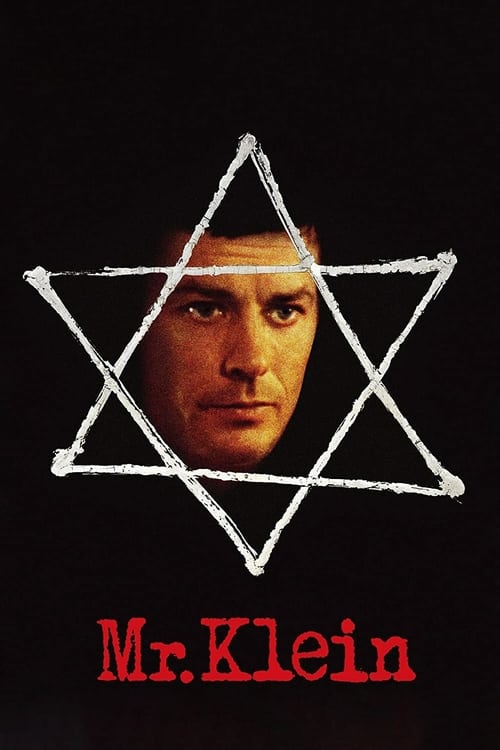
Mr. Klein
1976
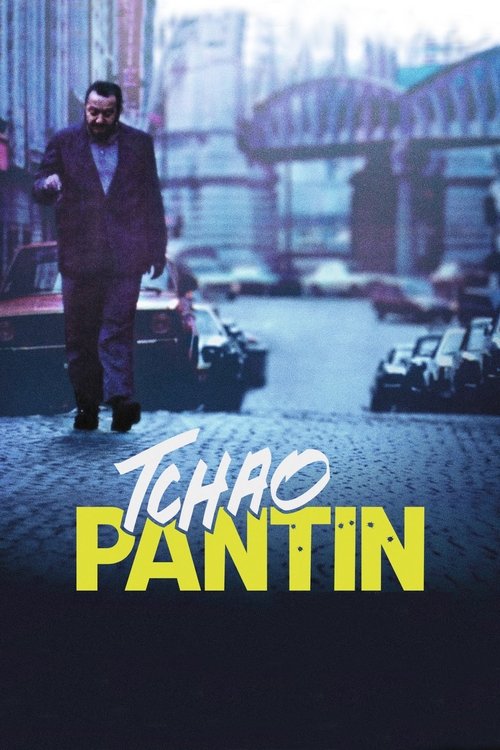
So Long, Stooge
1983