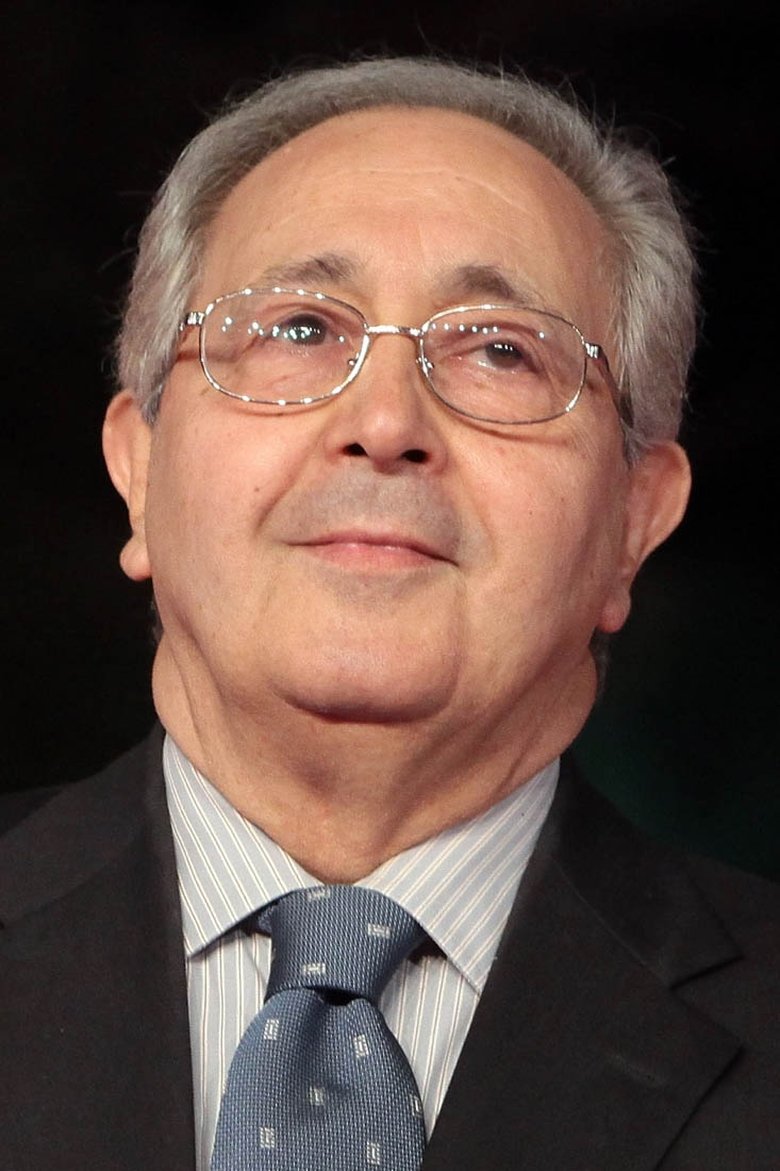
Stelvio Cipriani
Known For
Sound
Birthday
August 20, 1937
Day of Death
October 1, 2018 (81 years old)
Place of Birth
Rome, Italy
Stelvio Cipriani
Biography
Stelvio Cipriani studied piano and harmony at Santa Cecilia Conservatory in Rome. In 1957 he started playing light music, being the pianist of important singers such as Rita Pavone. In USA he studied jazz with Dave Brubeck. In 1966 he was called by Cam to compose his first soundtrack: The Bounty Killer, a film directed by Tomas Milian. After the good success, he was asked to compose other soundtracks, among which was A Man, A Horse And A Gun in 1967, which was recorded in the same year by Henry Mancini. Worldwide fame, however, came in 1970, when he composed the score for Anonymous Venetian. This score was a hit all over the world, receiving all the major awards, and is still considered one of the most famous Italian soundtracks. Another very important soundtrack is Tentacles, an American film interpreted by John Huston, Shelley Winters and Henry Fonda. Stelvio Cipriani has composed over 200 film scores, still continuing his activity.
Known For
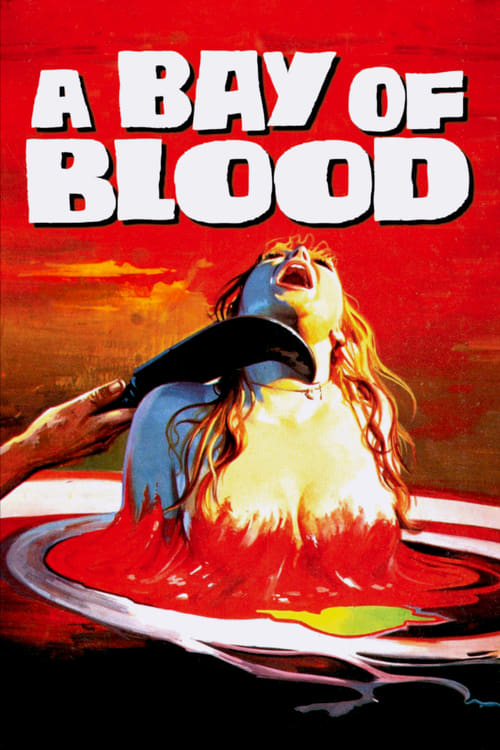
A Bay of Blood
1971

Piranha II: The Spawning
1982
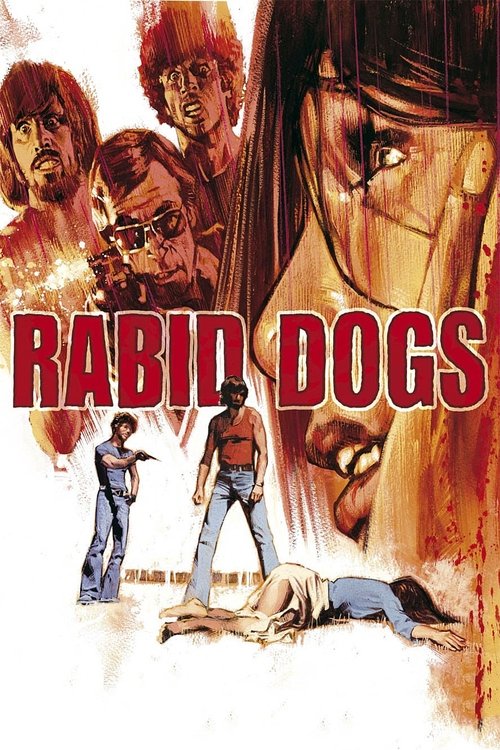
Rabid Dogs
1974
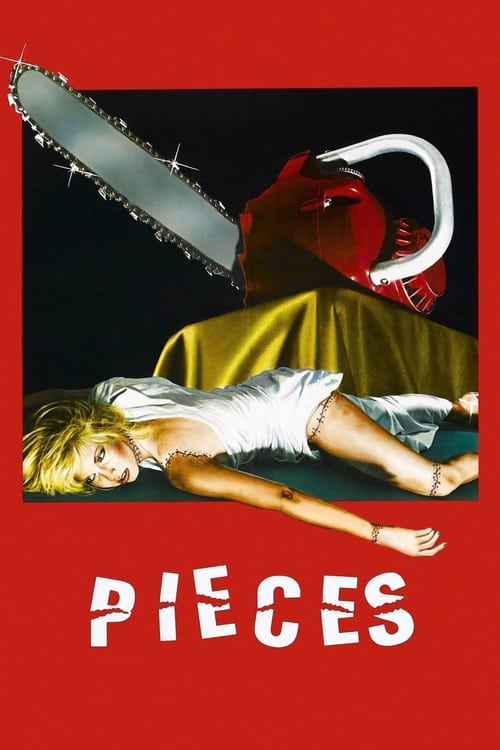
Pieces
1982
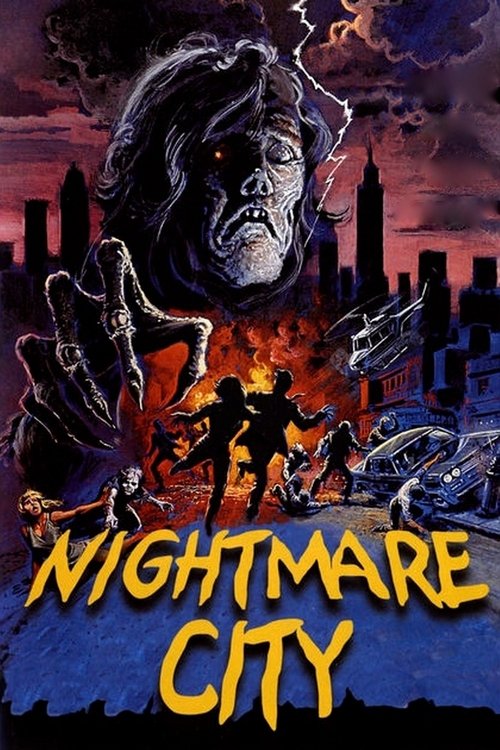
Nightmare City
1980
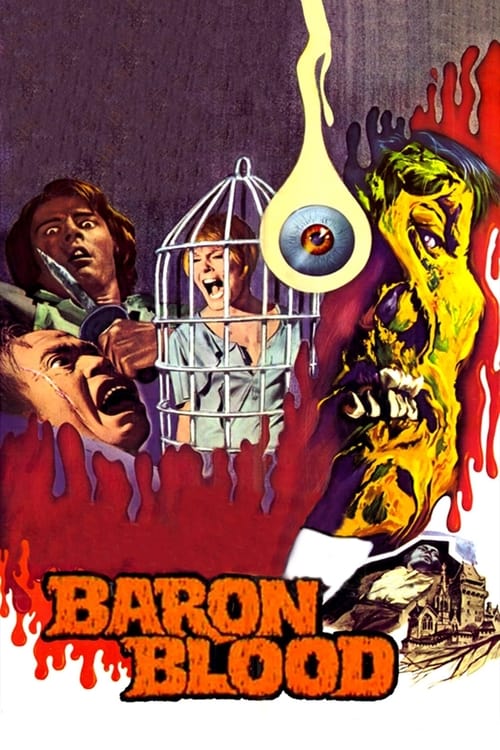
Baron Blood
1972
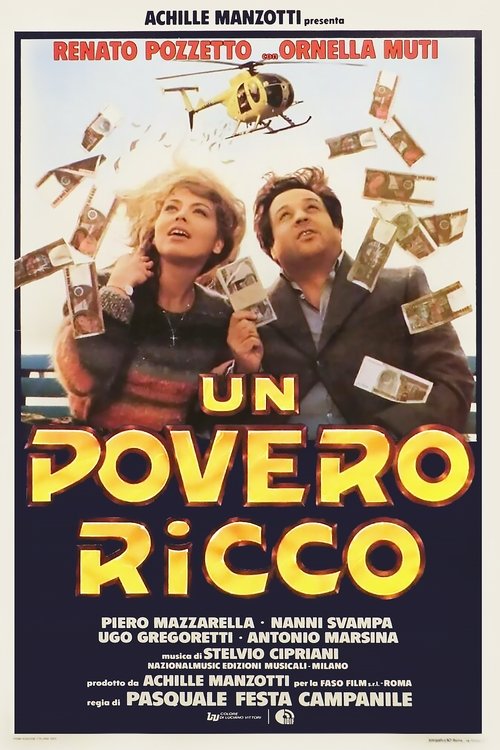
Rich and Poor
1983
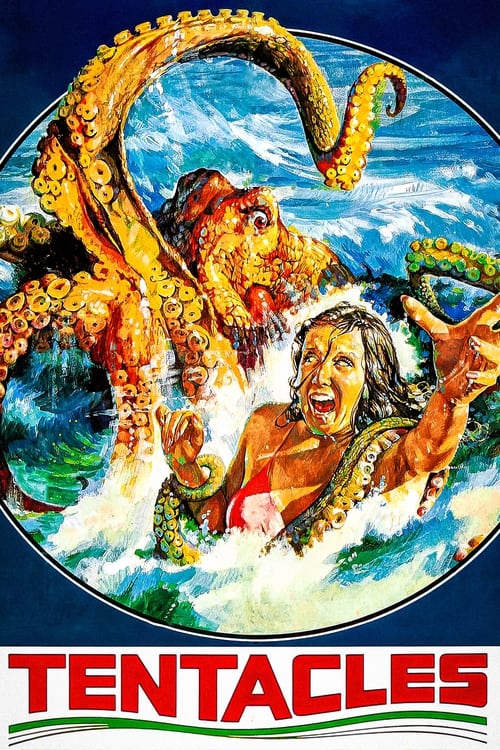
Tentacles
1977
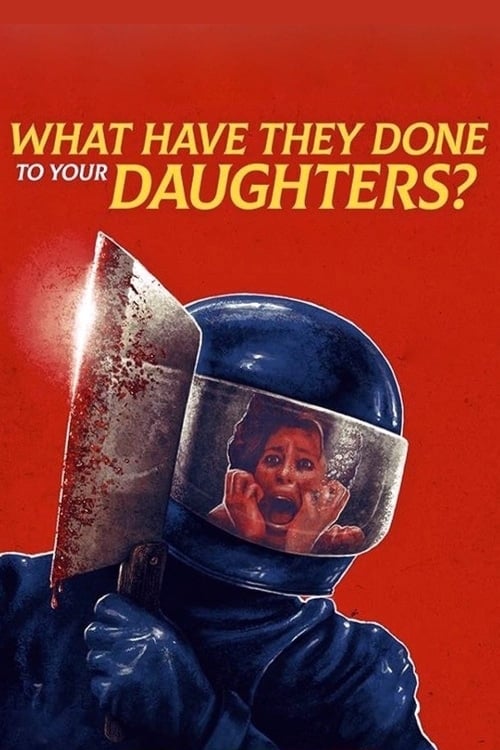
What Have They Done to Your Daughters?
1974
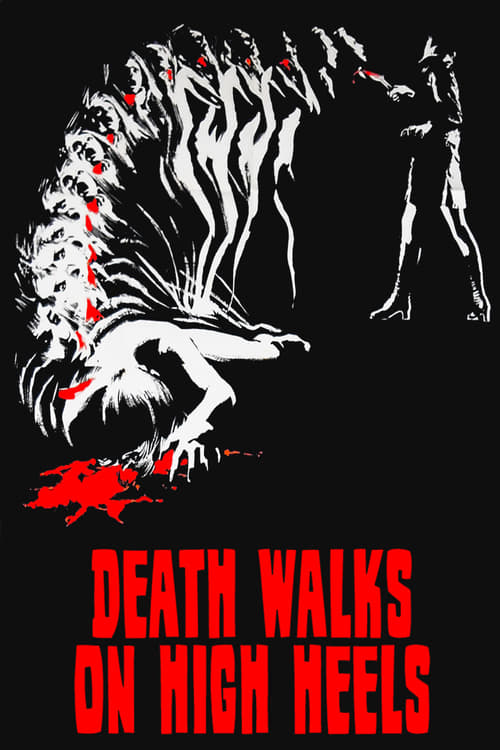
Death Walks on High Heels
1971
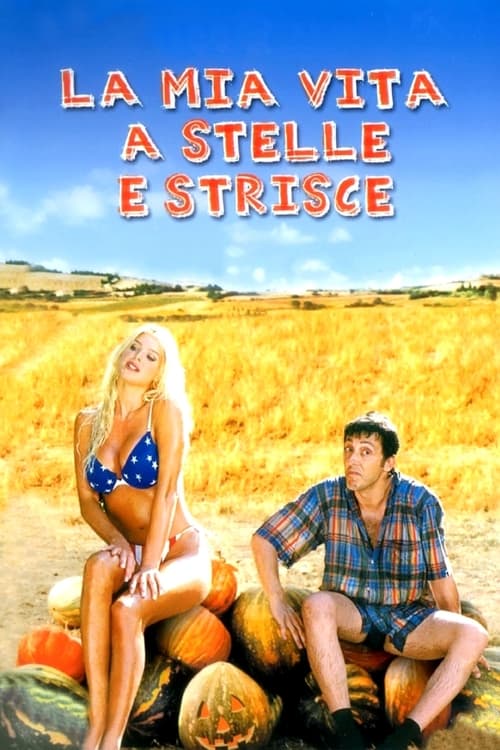
La mia vita a stelle e strisce
2003
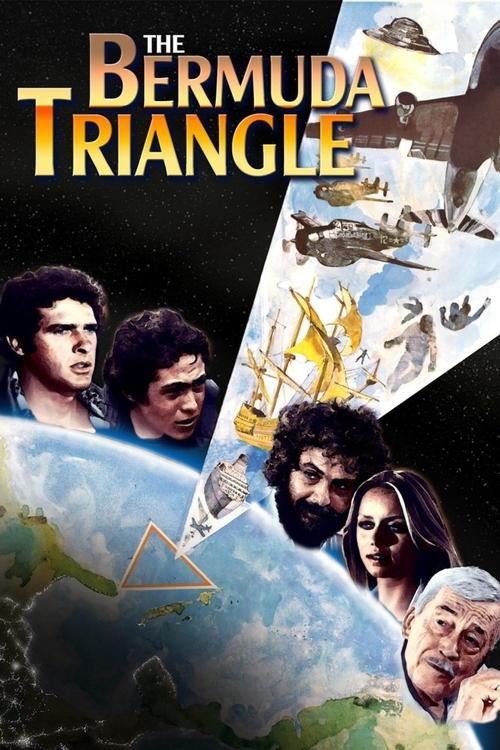
The Bermuda Triangle
1978
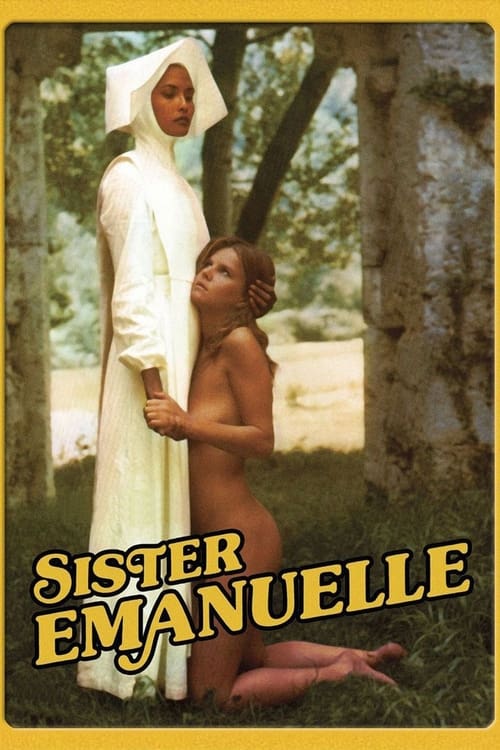
Sister Emanuelle
1977
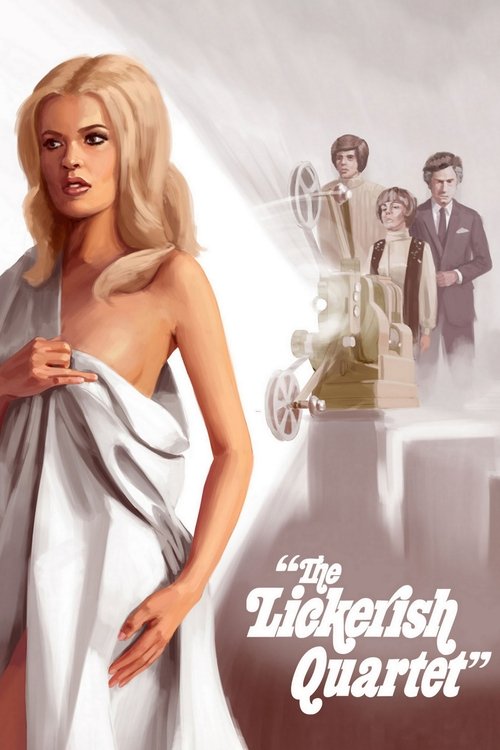
The Lickerish Quartet
1970
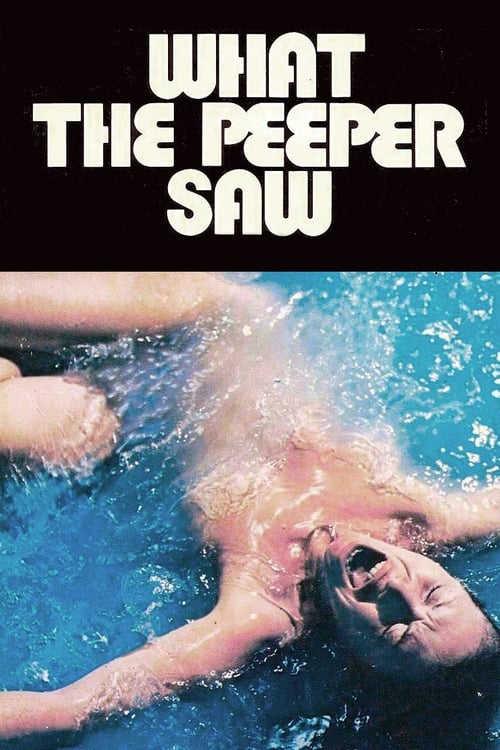
What the Peeper Saw
1972