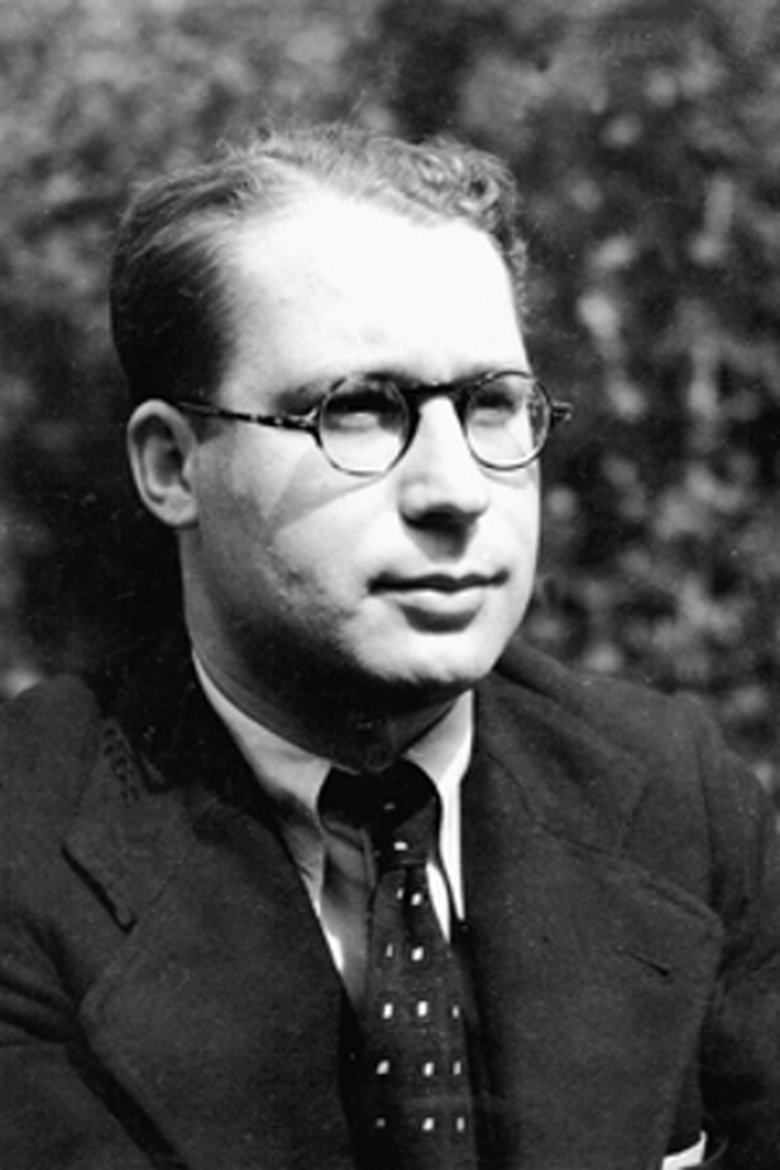
Henri Storck
Known For
Directing
Birthday
September 5, 1907
Day of Death
September 17, 1999 (92 years old)
Place of Birth
Oostende, West Flanders, Belgium
Henri Storck
Biography
From Wikipedia, the free encyclopedia Henri Storck (1907, Ostend – 17 September 1999) was a Belgian author, film-maker and documentarist. In 1933, he directed, with Joris Ivens, Misère au Borinage, a film about the miners in the Borinage area. In 1938, with Andre Thirifays and Pierre Vermeylen, he founded the Cinémathèque Royale de Belgique (Royal Belgian Film Archive). He was an actor in two key films of the history of the cinema: Jean Vigo's Zéro de conduite (1933) in the role of the priest, and Chantal Akerman's Jeanne Dielman, 23 Quay Commercial, 1080 Brussels (1976) in the role of a customer of the prostitute. Jacqueline Aubenas wrote about him, in her expository work, It's been going on for 100 years: a history of the francophone cinema of Belgium: "There emerges forcefully the personality of a cineaste who is not a militant in the sense that this term had in the 1930s for Soviet directors who held an ideology, but in the sense of a generous man who will never choose the wrong side and who will be, in ethics as well as in esthetics, in the first line of battle". Description above from the Wikipedia article Henri Storck, licensed under CC-BY-SA, full list of contributors on Wikipedia.
Known For
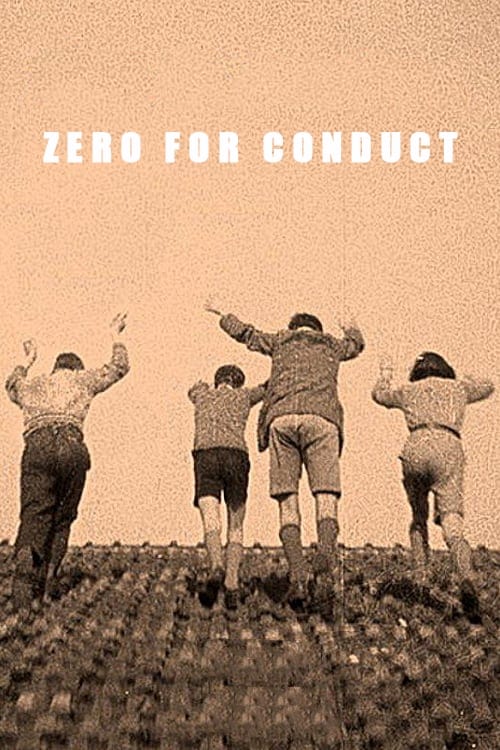
Zero for Conduct
1933
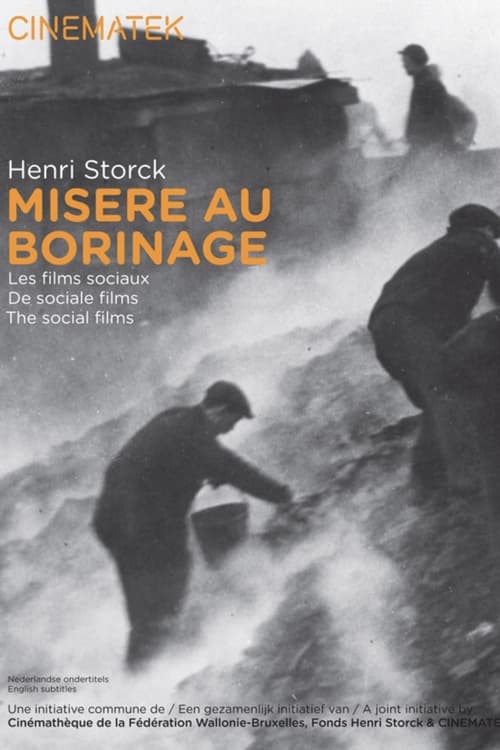
Borinage
1934
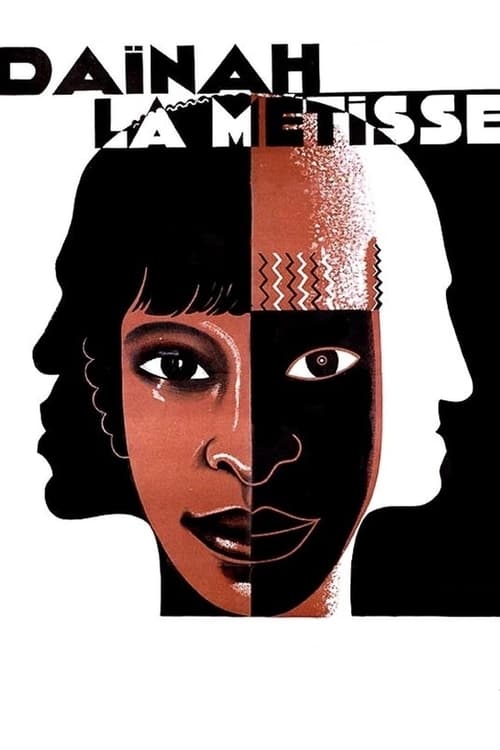
Dainah the Mixed
1932
Images of Ostend
1929
For Your Beautiful Eyes
1929
The World of Paul Delvaux
1946

Smuggler's Ball
1952

Rubens
1948
Peasant Symphony
1944
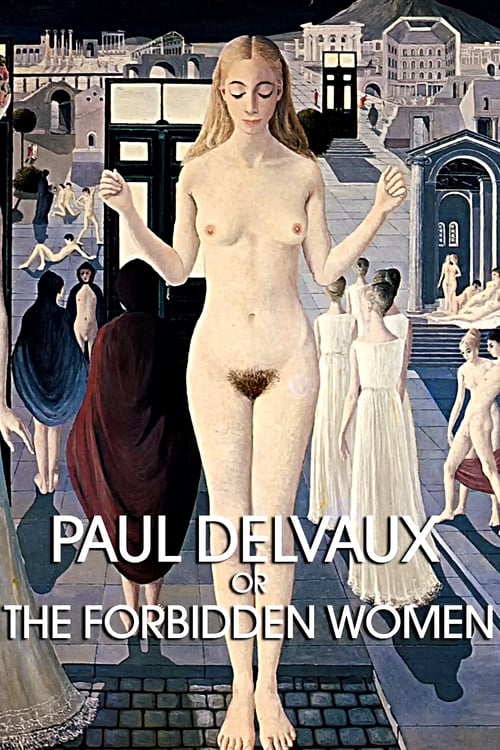
Paul Delvaux or the Forbidden Women
1970
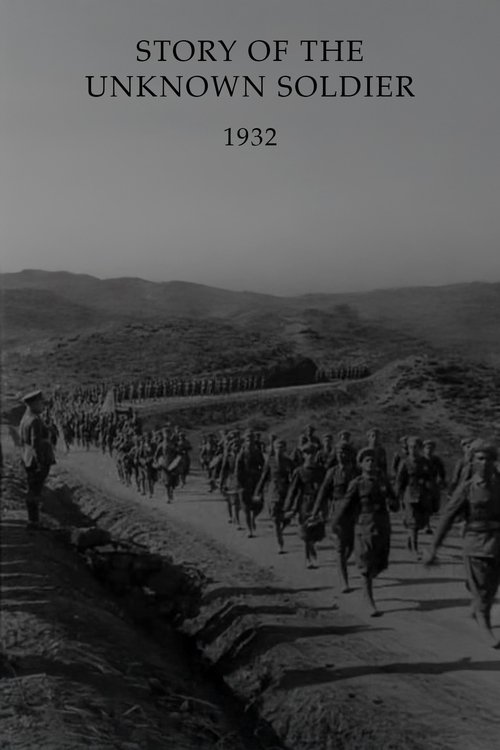
Story of the Unknown Soldier
1932
Pleasure Trips
1930
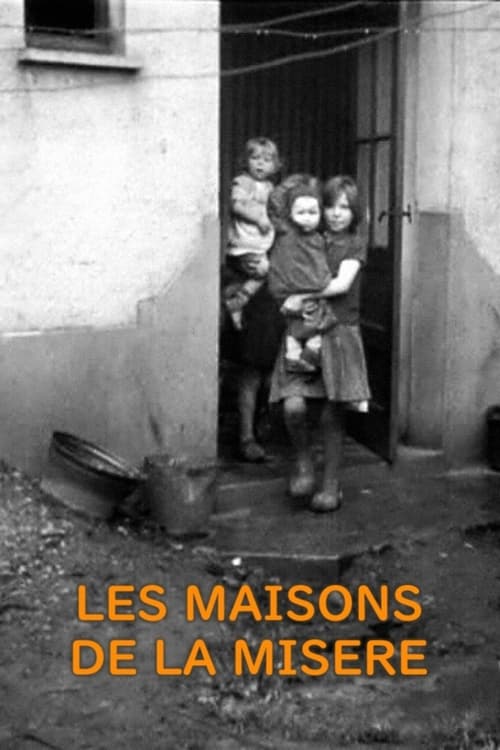
Houses of Poverty
1936
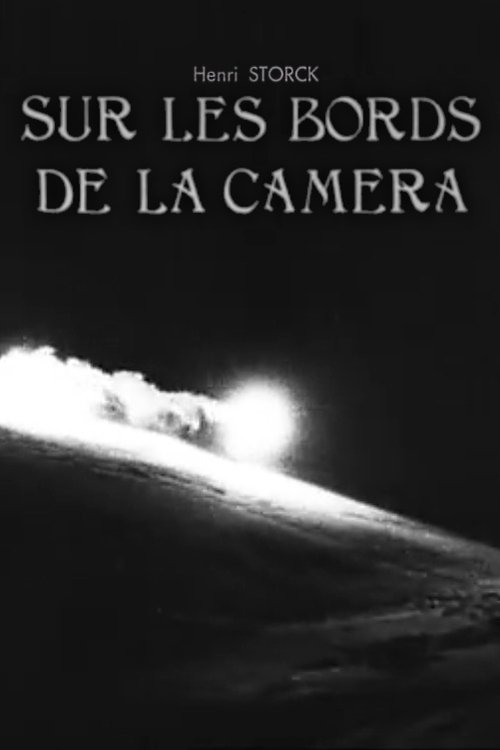
Outside the Border of the Camera
1932
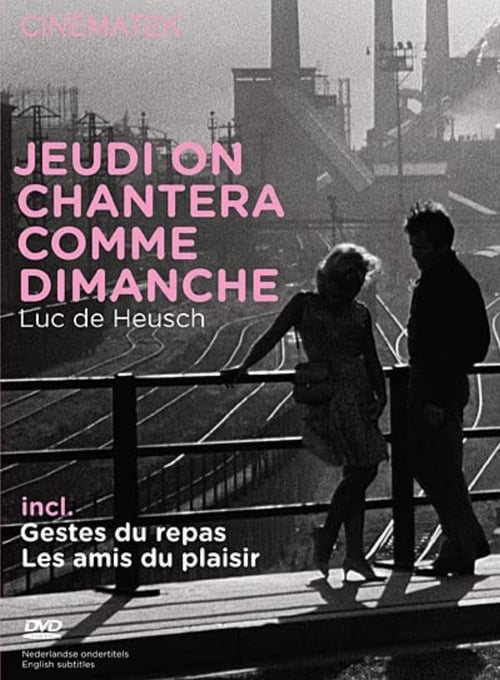
Thursday We Shall Sing Like Sunday
1967