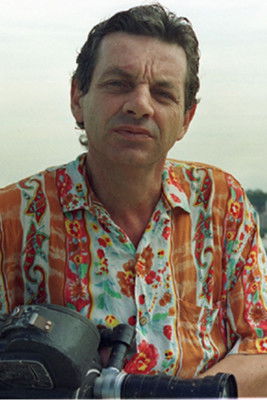

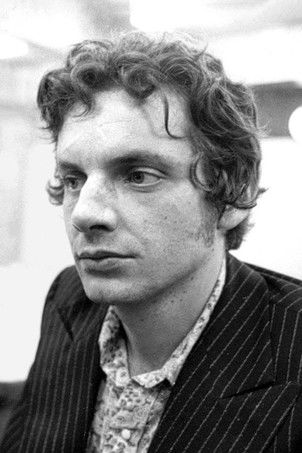
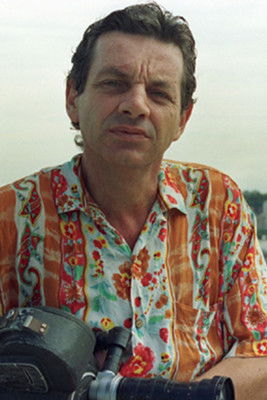

Rogério Sganzerla
Known For
Directing
Birthday
November 26, 1946
Day of Death
January 9, 2004 (57 years old)
Place of Birth
Joaçaba, Santa Catarina, Brazil
Rogério Sganzerla
Biography
Rogério Sganzerla (1946 — 2004) was a Brazilian filmmaker and one of the main names of the Cinema de Invenção (or Cinema Marginal) underground movement. Influenced by Orson Welles, Jean-Luc Godard, and José Mojica Marins, Sganzerla often used clichés from film noir and pornochanchadas. Irony, narrative subversion and collage were trademarks of his film aesthetics. Sganzerla was born in Joaçaba, in the state of Santa Catarina, but moved with his family to São Paulo at a very young age, living there for most of his life. During the 1960s he wrote for the newspaper "O Estado de S. Paulo" ("The State of S. Paulo") as film critic, quickly being recognised as a young talent. In 1967, Sganzerla directed his first short film, "Documentário" ("Documentary"), winning an award at the JB-Mesbla 16mm Festival. "Documentário" was quickly followed up by his first feature-length film in 1968, "O Bandido da Luz Vermelha" ("The Red Light Bandit"), which became a landmark for the movement known as Cinema de Invenção or Cinema Marginal and is still Sganzerla's most well-known film. In 1970, he founded the "Bel-Air Filmes" production company along with fellow Cinema de Invenção filmmaker Júlio Bressane. Headed by Sganzerla, the company produced his films "Copacabana Mon Amour", "Carnaval na Lama" and "Sem Essa, Aranha" and Bressane's "A Família do Barulho", "Barão Olavo, o Horrível" and "Cuidado, Madame", all shot in Brazil during four months of 1970 and edited abroad, in England, when both Sganzerla and Bressane were banished from their home country by the then rulling military dictatorship. While in exile, both Sganzerla and Bressane continued to shoot new films. Sganzerla's personal obsessions, such as director Orson Welles (and his infamous visit to Brazil) and musicians Noel Rosa and Jimi Hendrix, appear in many of his films, going as far as being the main subject in some of them. In 1985, Sganzerla directed the docufiction "Nem Tudo É Verdade" ("It's Not All True") about Orson Welles' arrival in Brazil to film his unfinished documentary "It's All True". Sganzerla died in 2004, of a brain tumor, shortly after finishing his last film "O Signo do Caos" ("The Sign of Chaos"). Description above from the Wikipedia article Rogério Sganzerla licensed under CC-BY-SA, full list of contributors on Wikipedia.
Known For
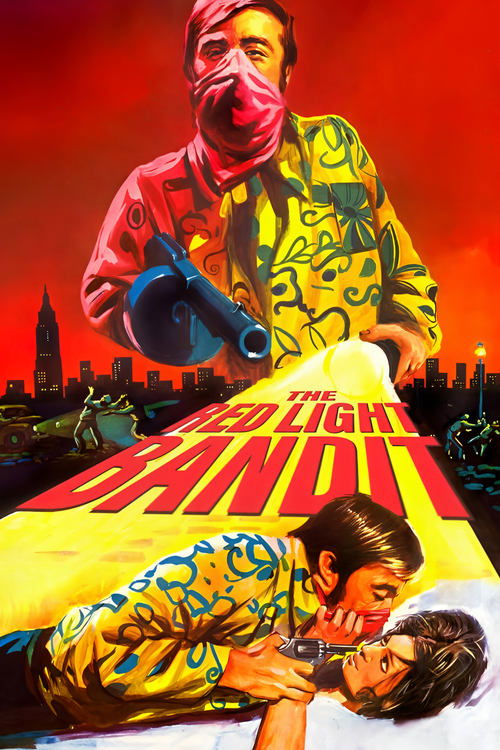
The Red Light Bandit
1968

The Woman of Everyone
1969
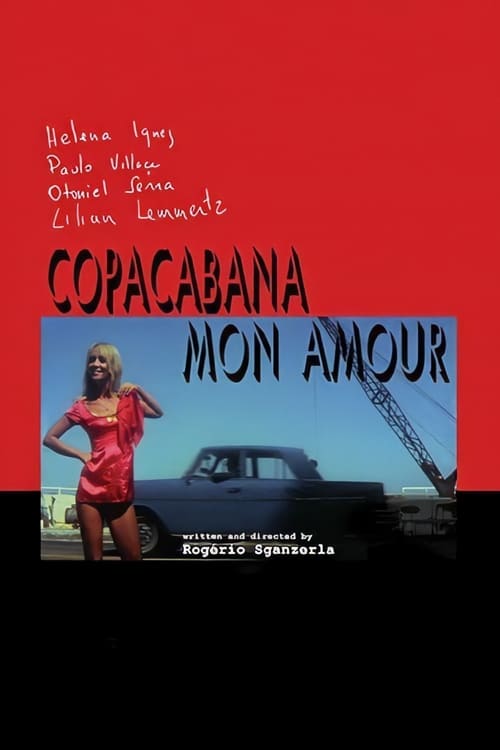
Copacabana Mon Amour
1970
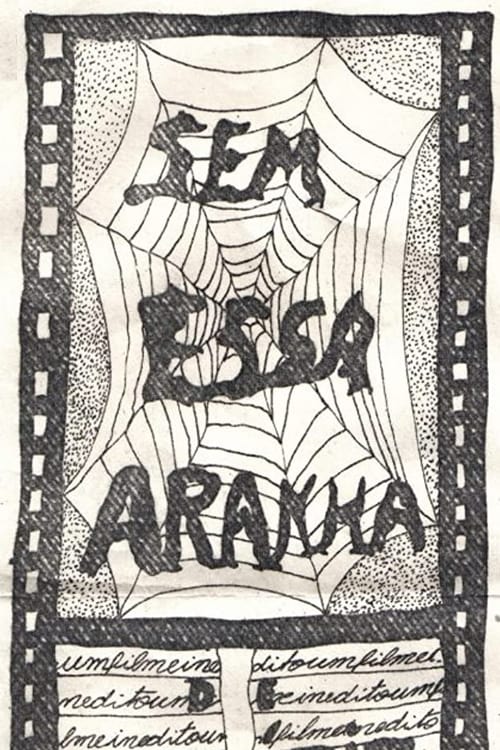
No Way, Spider
1970

The Sign of Chaos
2003

Garden of War
1969

The Monsters of Babaloo
1970

Documentário
1966
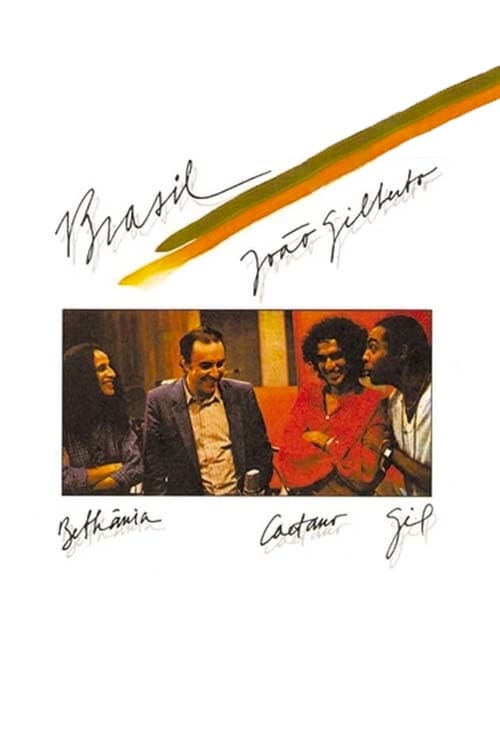
Brasil
1981
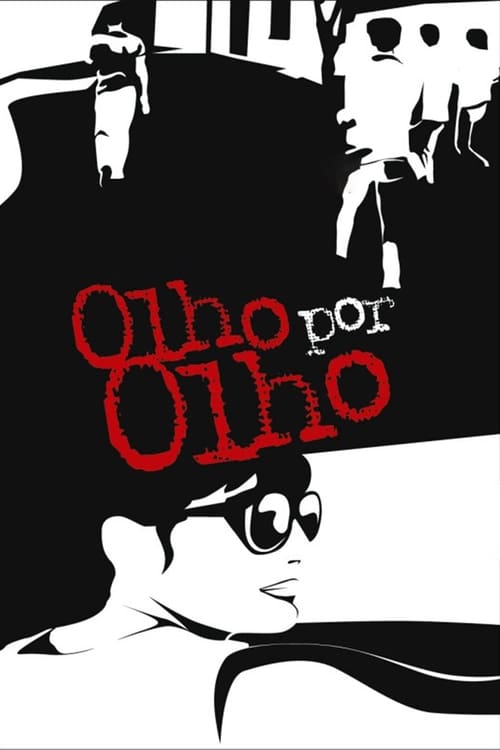
Eye for an Eye
1966
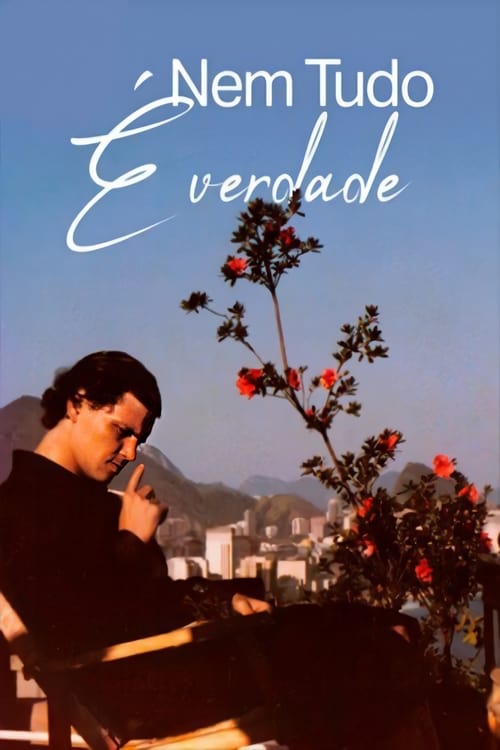
It's Not All True
1986

Baron Olavo, The Horrible
1969
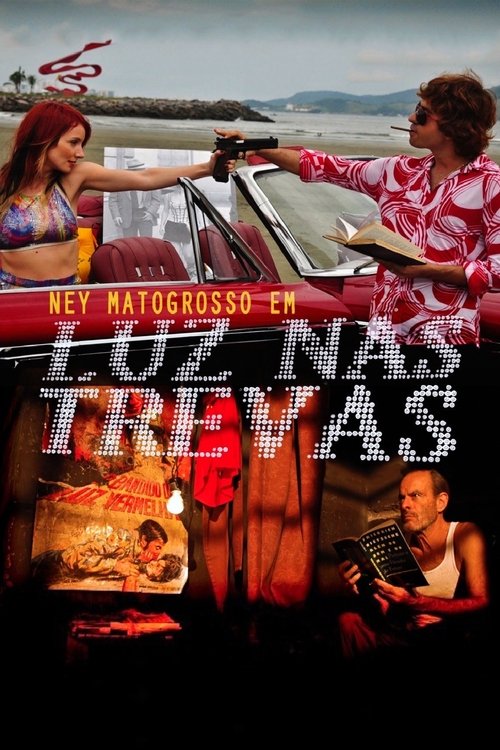
Light in Darkness: The Return of Red Light Bandit
2012

Watch Out, Madame
1970
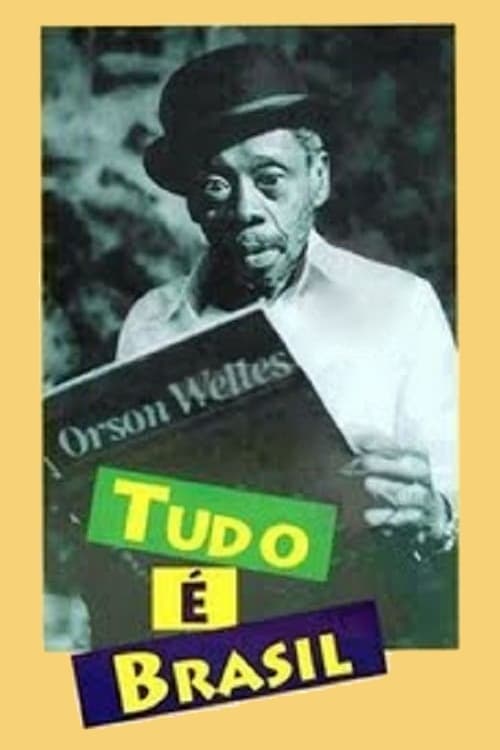
It's All Brazil
1997